02 / Paint Correction

Paint correction.

We remove swirl marks, light scratches, water spots, and clear-coat haze. 1-step or 2-step machine correction at your address.

Foam wash mid-pass over a panel

What paint correction fixes.


Paint correction removes swirl marks, light scratches, water spots, and oxidation from the clear coat. Done by machine in stages, with paint depth measured before and after to keep the clear coat safe.

In plain terms: your paint has tiny scratches and swirls that catch the light and make it look dull, especially in the sun. We machine-polish them out so the color looks deep and glossy again. We are not adding paint or a wrap. It is the paint you already have, brought back to its best.

How much we can remove depends on which level you pick.

Is it worth it

When paint correction is worth it (and when it isn't).


Paint correction makes the most sense when the paint itself is healthy but tired. If your car looks hazy or swirled in the sun, shows fine spider-web scratches under a light, or has lost the deep look it had when it was new, correction will bring it back. It is also the right first step before ceramic coating, because a coating locks in whatever the paint looks like underneath. You want that to be its best.

It is less worth it in a few cases. If the paint already looks sharp and you only want protection, a spray sealant or coating alone may be enough. If the clear coat is failing, peeling, or worn thin from years in the sun, polishing cannot rebuild it, and we will tell you that up front. And if the damage is a deep scratch you can feel with a fingernail, that is a body-shop repair, not a polish.

For most daily drivers in Charlotte, a 1-step correction hits the sweet spot. You get a clear, glossy finish at a fair price without paying for work the car does not need. We will look at your paint and give you an honest read before you book.

02 / Levels of Correction

Two levels. Pick the one that fits the car.


Paint correction is measured in percentages. Deeper scratches that have cut into the clear coat or paint require body work, which is outside our scope.

1-Step Paint Correction

50–70%

Ideal for daily drivers that need a noticeable improvement without a full multi-stage correction. Enhances gloss and clarity while reducing light imperfections. A 1-step polish reduces the appearance of light-to-moderate clear-coat defects by approximately 50–70%, including swirl marks, light scratches, and general paint haze. Includes a premium exterior wash and proper surface preparation.

  • Coupe / Sedan $399
  • Midsize SUV / Truck $429
  • Large SUV / Truck $499
Book 1-Step Paint Correction

2-Step Paint Correction

85–95%

Designed for those seeking a significantly refined finish. Focuses on correcting defects and restoring depth and clarity to the paint. A 2-step process targets heavier imperfections and removes approximately 85–95% of clear-coat defects, including swirl marks, light-to-moderate scratches, oxidation, and surface haze. Includes a premium exterior wash and full paint preparation.

  • Coupe / Sedan $699
  • Midsize SUV / Truck $799
  • Large SUV / Truck $899
Book 2-Step Paint Correction

02 / How it works

Five steps. Measured each time.


  1. 01

    Measure.

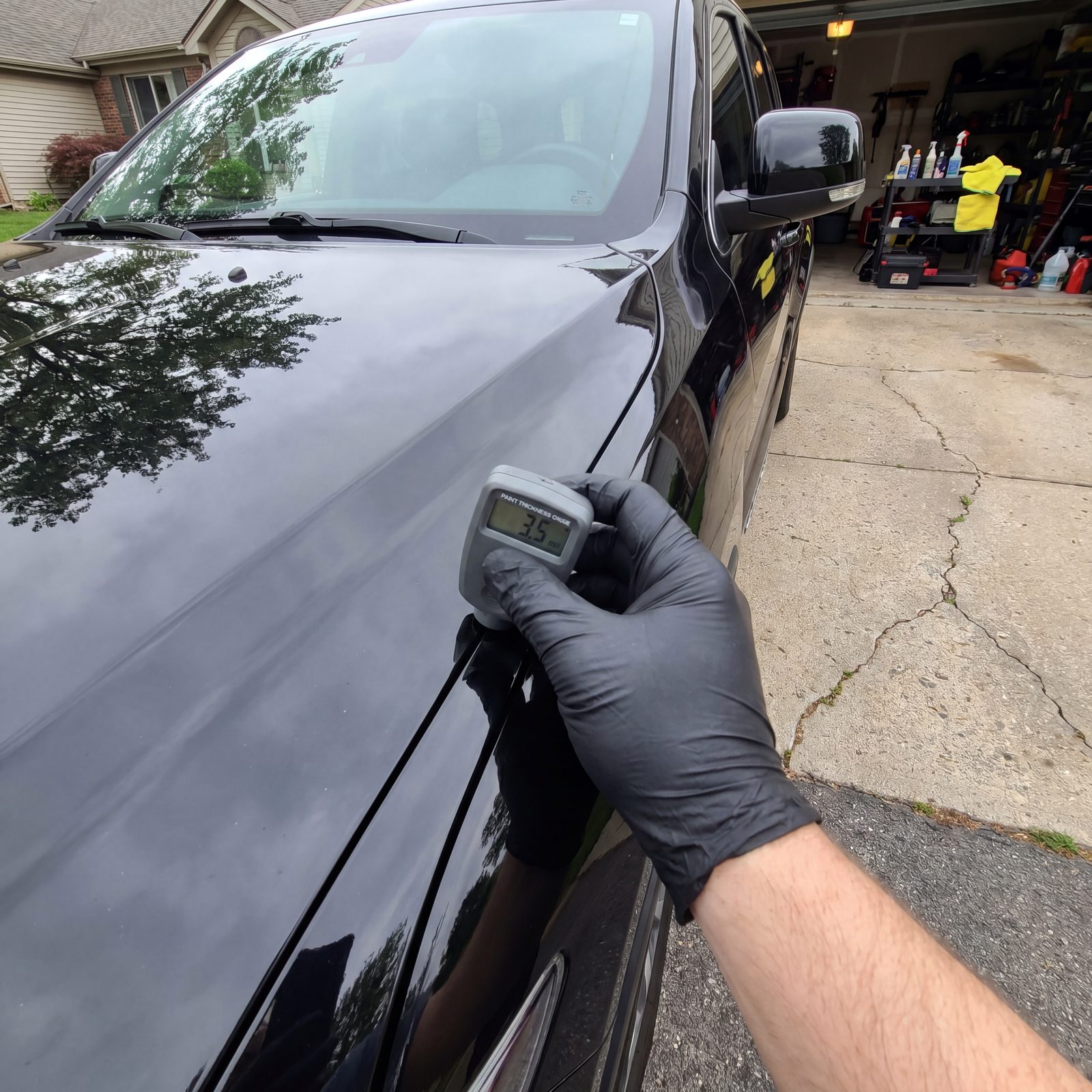
    Paint depth gauge readings panel by panel before any correction work. If the clear coat is thin, we adjust the plan and tell you why.

    Paint depth gauge being used to measure clear-coat thickness before paint correction
  2. 02

    Wash.

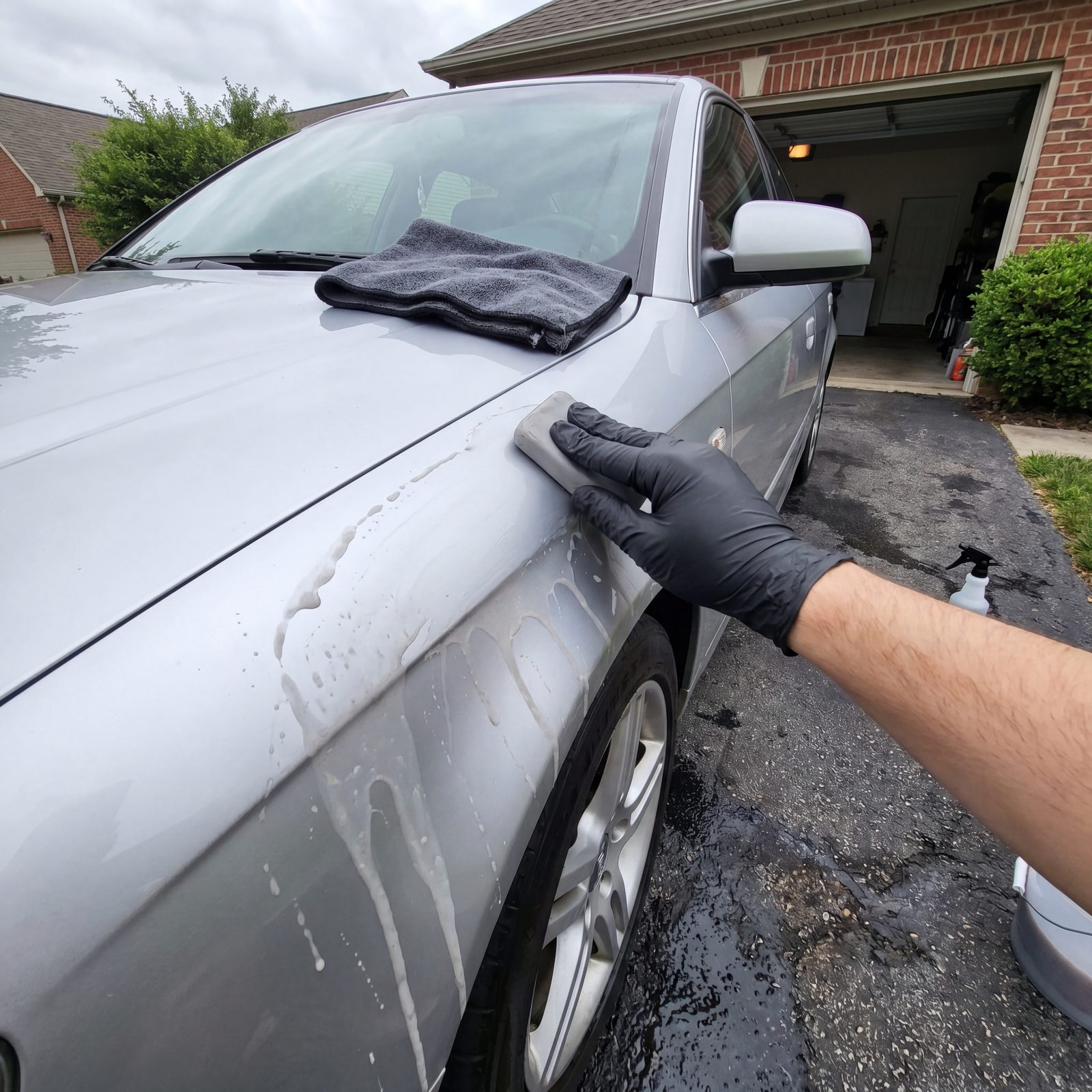
    Two-bucket wash. Iron remover. Clay bar over every panel. The surface is bare paint when polishing begins, nothing else.

    Two-bucket foam wash and iron decontamination on a vehicle prior to paint correction
  3. 03

    Cut.

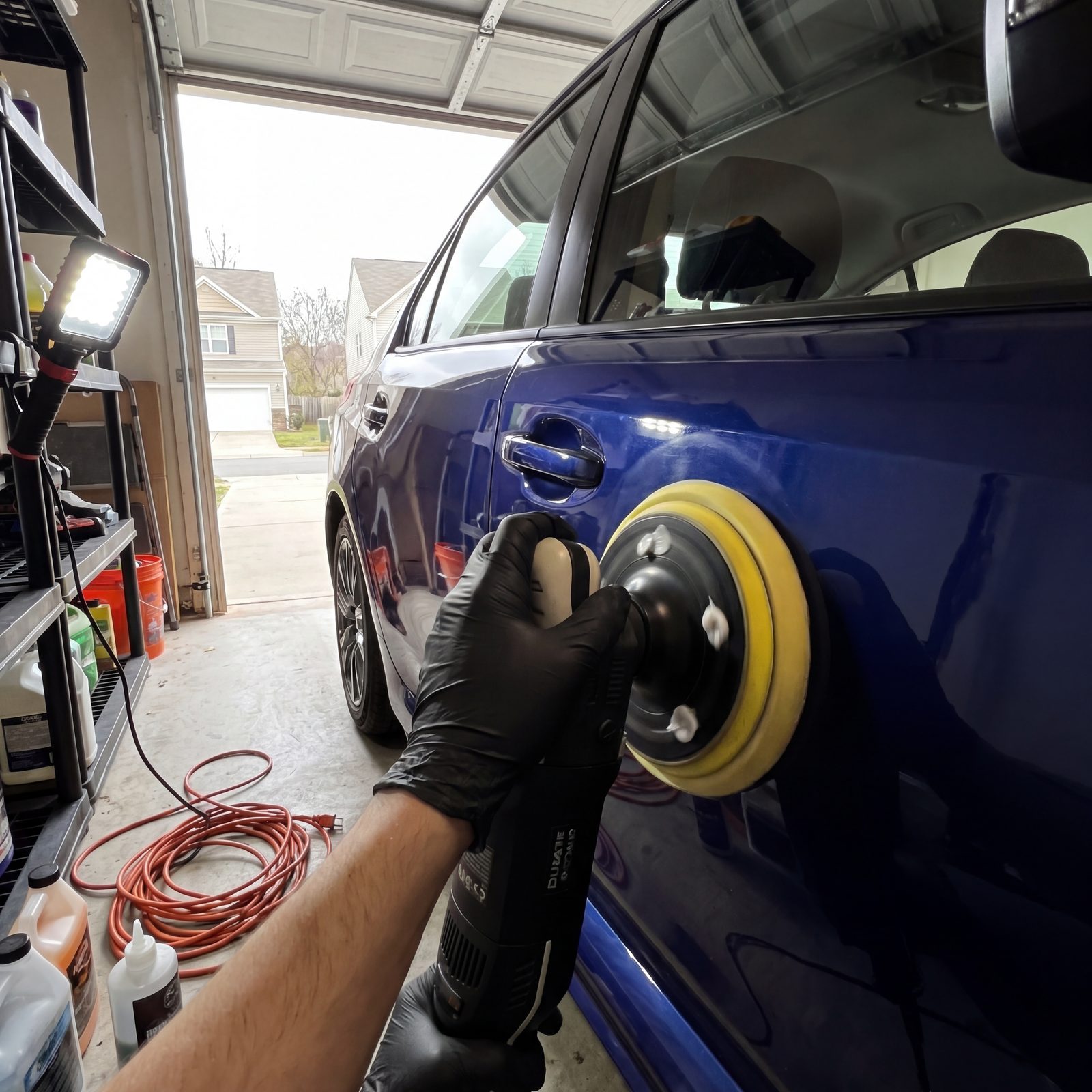
    Heavy compound on a rotary or dual-action machine, panel by panel, until the deeper defects are gone. We pause to inspect under inspection lighting, often.

    Compound cutting with a rotary polisher to remove swirl marks and clear-coat defects
  4. 04

    Polish.

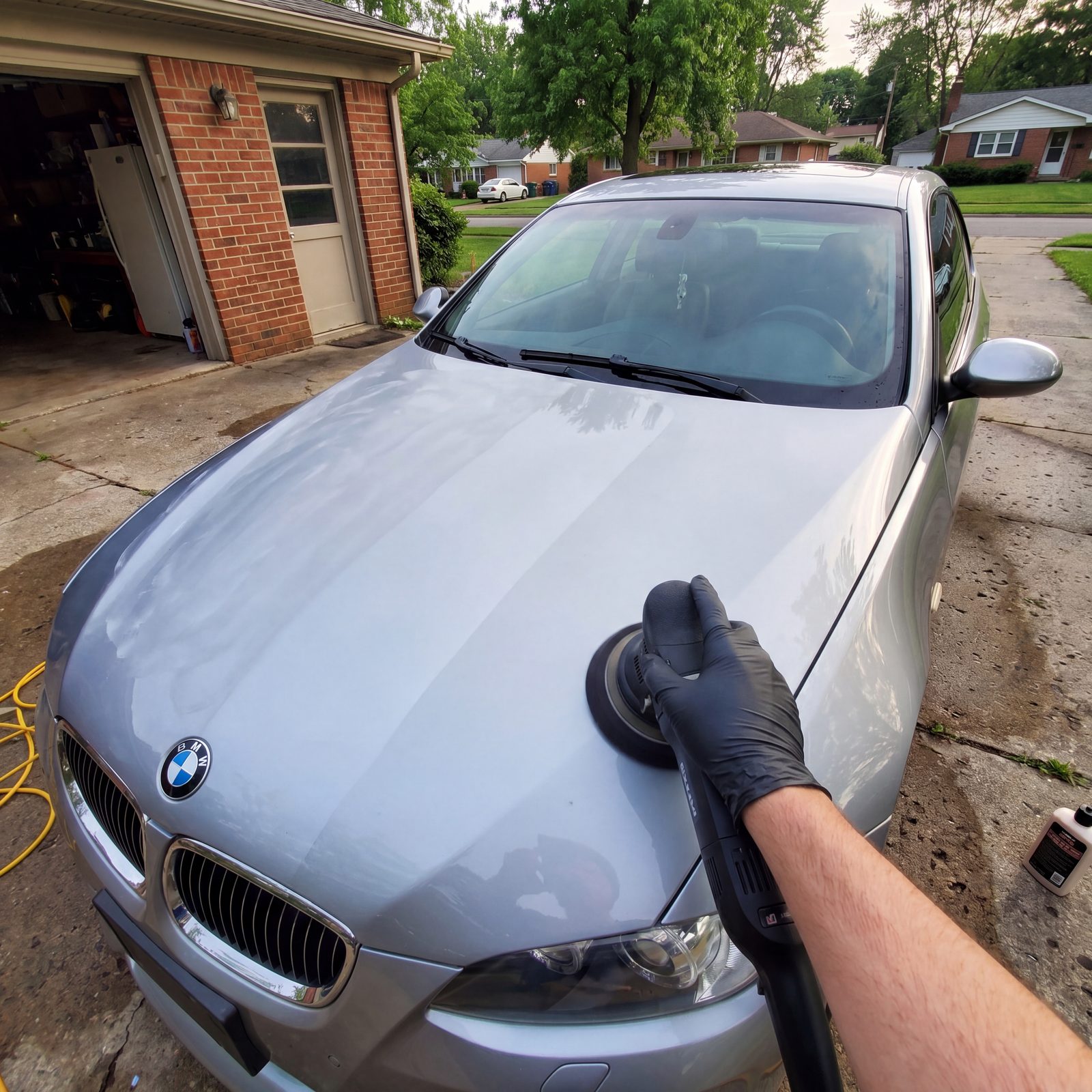
    A finer abrasive and a softer pad. The cut leaves micro-haze; the polish removes it. What comes off is a deep, even finish.

    Final polish step on a softer pad to remove cut haze and produce a deep, even finish
  5. 05

    Inspect.

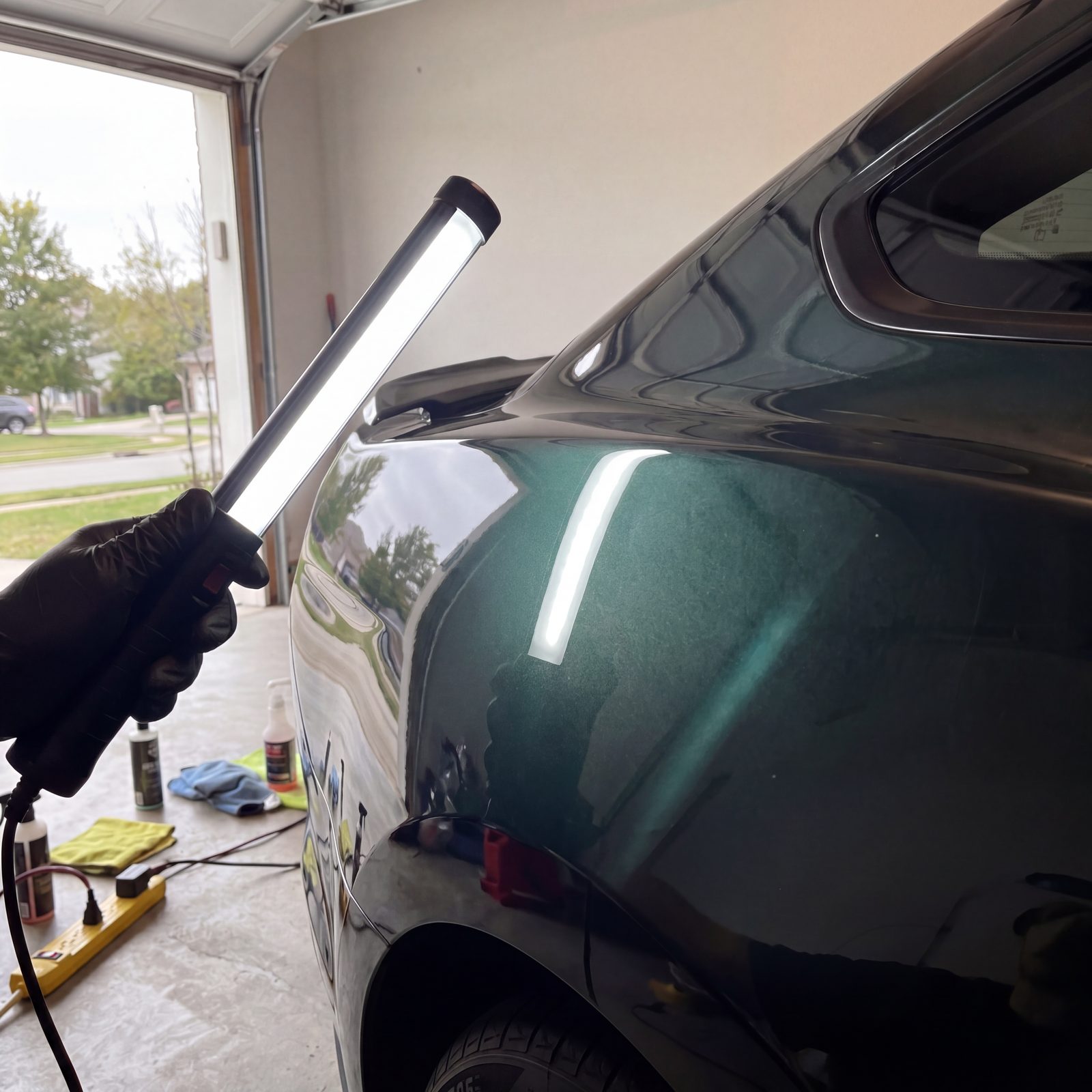
    Three different light sources, sun gun, halogen, and natural daylight. We walk every panel with you before we leave.

    Final inspection with a sun gun and halogen lights to verify a flawless paint correction

Clear-coat safety

How we protect your clear coat.


Your paint has a thin, clear top layer called the clear coat. It is what gives the color its shine and shields it from the sun. Correction works by polishing away a tiny amount of that clear coat to level out scratches and swirls. There is only so much of it, so the goal is always to remove the defect and nothing more.

That is why we measure. Before we touch the paint, we take depth-gauge readings panel by panel to see how much clear coat the car has to work with. Thin or previously repainted panels get a gentler approach. We would rather leave a faint mark than chase it and risk the clear coat.

We also work in stages and stop often to check our progress under bright lights. Pulling more in one aggressive pass might look faster, but it takes off more clear coat than needed and shortens the life of your paint. Careful, measured work is the difference between a correction that lasts and one that costs you down the road.

Make it last

How to keep the finish looking new.


Correction resets your paint to a clean, clear state, but it does not change how the paint reacts to the world. The day after we finish, the sun, road grime, and washing all start working on it again. How long the results hold comes down to what you do next.

The single biggest step is protection. A ceramic coating or sealant sits on top of the corrected paint and takes the daily abuse for it, so swirls and water spots are far slower to return. This is why we recommend pairing correction with ceramic. The polishing creates the perfect bare surface for a coating to bond to, so doing both together gets you the best result.

Washing habits matter just as much. Most swirl marks come from washing, not driving. Automatic brush car washes and a single dirty rag drag grit across the paint and put the scratches right back. A simple two-bucket hand wash, soft towels, and drying with a clean microfiber will keep a corrected finish looking sharp for years. If you would rather not handle it yourself, our maintenance wash plans keep the car protected on a regular schedule.

Pair with ceramic

Correct first, then protect.


Correction gives you a flawless surface; ceramic locks it in so the swirls stay gone. We can schedule both in a single visit, so the freshly polished paint goes straight under coating.

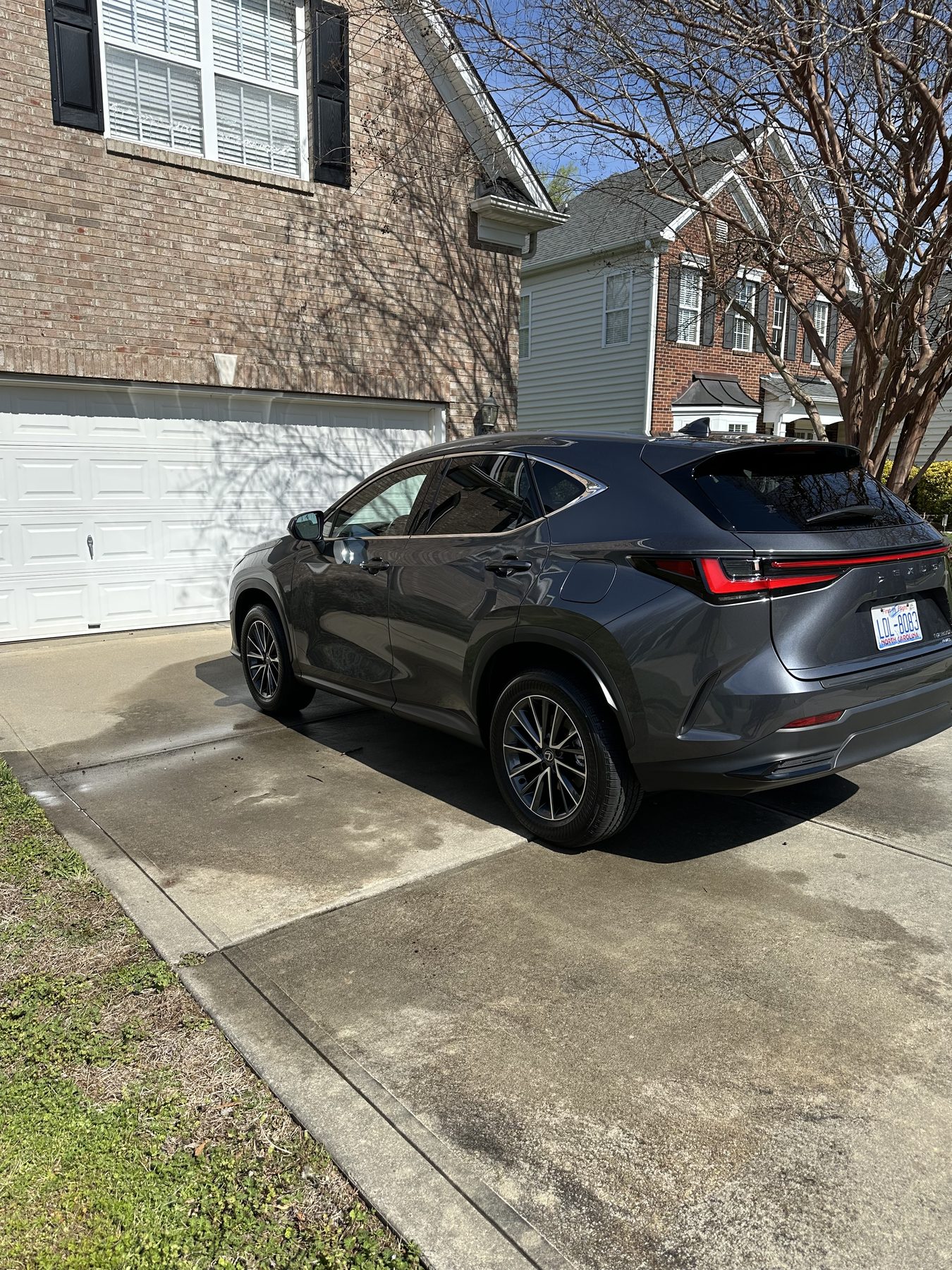
Lexus IS 500 F Sport rear three-quarter after correction and ceramic

03 / FAQ

A few of the most common.


How long does paint correction take?

A 1-step correction takes most of a day. A 2-step takes one to two days. The car stays with you under cover until the work is finished.

Will it remove every scratch?

Not every scratch. Paint correction is measured in percentages. A 1-step removes approximately 50–70% of swirls, light scratches, and oxidation. A 2-step gets to 85–95%. Deeper scratches that have cut into the clear coat or paint require body work, which is outside our scope.

Should I get ceramic coating after?

Yes. Correction without protection sets the clock running again. Ceramic locks in the work and extends it. We can do both in one visit, so the freshly polished paint goes straight under coating.

Do you do paint correction at my home or office?

Yes. We come to you with our own power and water, so correction happens right in your driveway or parking spot. We just need safe access to the car and a bit of room to work around it.

My car is black and shows every swirl. Can you help?

Dark and black cars are exactly where correction shows the biggest difference, since swirls and haze stand out most on those colors. They also show new scratches more easily, so we strongly suggest adding ceramic protection to keep the finish looking clean.

How do I know if I need a 1-step or a 2-step correction?

It depends on how heavy the swirls and scratches are. Lighter, everyday haze usually clears up with a 1-step, while deeper or more neglected paint needs a 2-step to make a real difference. We check the paint in person and recommend the level that fits, so you are not paying for more than the car needs.

How is this different from a wax or a regular detail?

A wax or spray sealant adds shine and protection on top of the paint, but it hides swirls rather than removing them. Correction actually polishes the defects out of the clear coat, so the improvement is permanent until new scratches form. The two work best together: correct first, then protect.

Can you remove water spots and hard-water etching?

Most water spots come off during the wash and decontamination steps. Spots that have etched into the clear coat are treated during polishing and usually improve a lot, though very deep etching may not lift completely. We will tell you what to expect after we inspect the paint.

Will the swirls just come back?

New swirls come almost entirely from how a car is washed. With protection on the paint and a careful hand-wash routine, a corrected finish stays clean for a long time. Going back to automatic brush washes or wiping the car with a dry rag is the fastest way to put them right back.

Where we work

Paint Correction across the Charlotte metro.


Book your paint correction.